RBA raises the cash rate to 4.60%, a 15-year high: what it costs landlords
The RBA lifted the cash rate by 0.25 points to 4.60% on 29 September 2026, the highest since 2011. What the fourth rise means for investment mortgages.
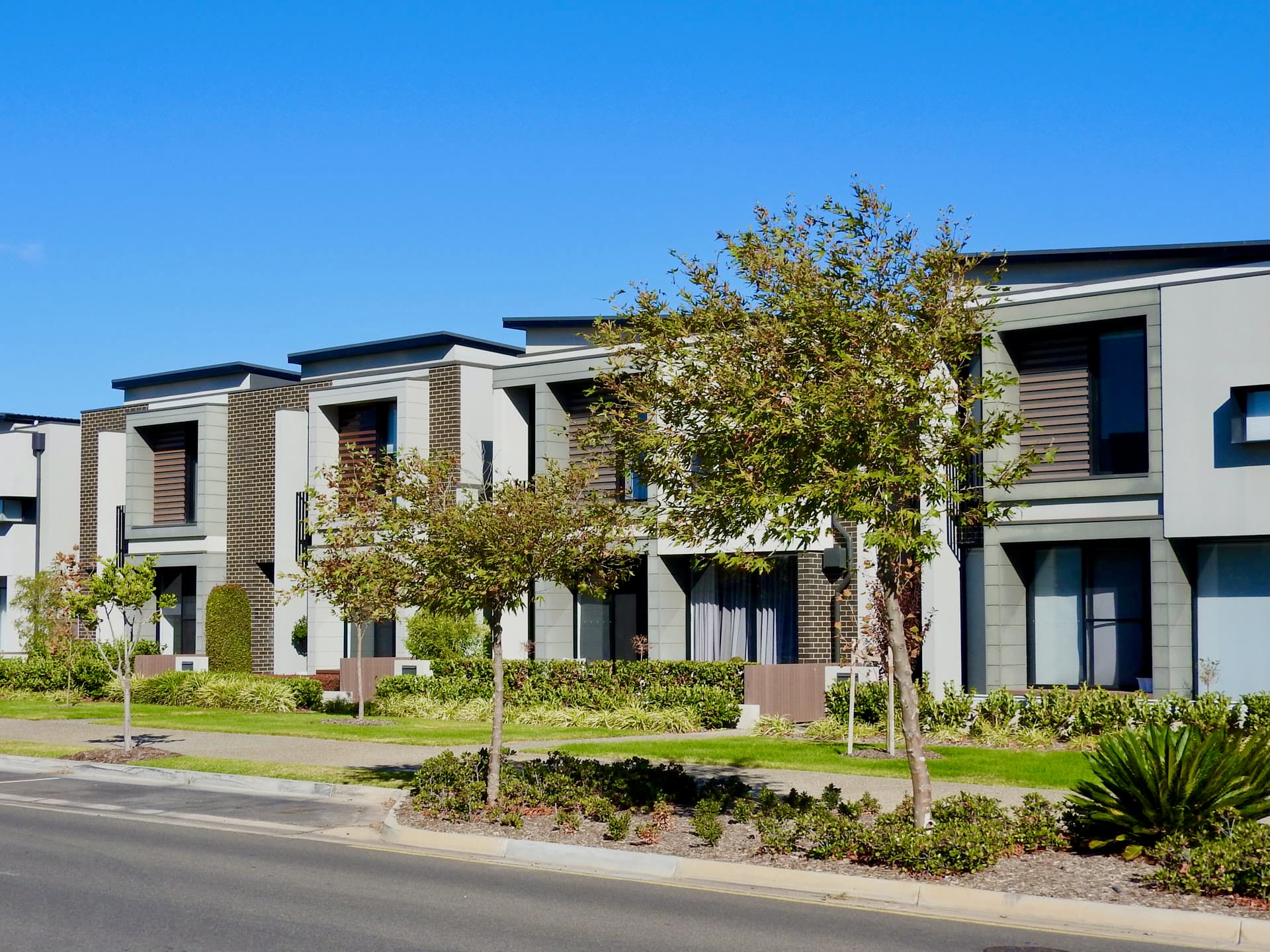

The Reserve Bank raised the cash rate target by 0.25 percentage points to 4.60% on 29 September 2026, the highest level since late 2011. It is the Board's fourth rise this year and takes effect from 30 September. For landlords on variable investment loans, lenders are likely to pass the move on in full within days.
4.60%
What the Board decided and why
In its 29 September statement, the Monetary Policy Board said inflation remains elevated and that some of the upside risks flagged in August are materialising. It pointed to higher global energy prices after the Middle East conflict broadened, rapid growth in technology-related goods prices, and ongoing pressure on domestic capacity. Firms, it said, are facing cost pressures and either raising prices or looking to do so.
The Board also noted that growth has slowed, housing prices have fallen in most capital cities and new housing loans have declined noticeably. Labour market conditions have eased broadly as expected. Even so, it judged that a further tightening was warranted to support a return of inflation to the 2 to 3% target in a reasonable period.
The decision was unanimous. The Board said it will continue to do what it considers necessary, "including increasing the cash rate target further if needed."
What the rise costs on an investment mortgage
Lenders passed on this year's earlier rises in full. The RBA's F6 lending rates table shows the average variable rate on outstanding investor loans at 6.5% in July 2026, up from 5.8% in January. If today's move is passed on in full, that average would sit around 6.75%.
| Loan size | Extra per month, interest-only | Extra per month, P&I (about 25 years left) | Extra across all four 2026 rises (P&I) |
|---|---|---|---|
| $500,000 | $104 | about $76 | about $303 |
| $600,000 | $125 | about $91 | about $364 |
| $750,000 | $156 | about $114 | about $454 |
| $1,000,000 | $208 | about $152 | about $606 |
Interest-only figures are 0.25% of the loan, divided by 12. Principal and interest figures are Canstar estimates for a typical variable loan, also reported by the ABC. Your own letter from the bank will depend on your rate, remaining term and whether you are interest-only or principal and interest.
Put that against rent. On a $750,000 property yielding 3.79% gross (Cotality's national figure in August), you collect about $2,369 a month before expenses. At 6.75% interest-only on a $600,000 loan, interest alone is $3,375 a month. That is a shortfall of more than $1,000 a month before rates, insurance, strata, maintenance and land tax. We walked through that cash-flow gap in more detail in our September rental market briefing.
Fixed-rate loans are unchanged until the fixed term ends. When they roll off, the full cycle of rises applies at once.
Rent will not automatically cover the gap
Some landlords will look straight at a rent increase. That is understandable, but the local market sets the ceiling. The RBA's own chief economist has said rents move with supply and demand, not with an individual landlord's interest bill. In cities where vacancies have already risen, such as Sydney and Canberra, asking rents have stalled or fallen in places. Pushing a renewal above the market can cost you a reliable tenant and several weeks of vacancy that wipe out the gain.
Check the rules with your state regulator before you increase rent. Notice periods and frequency limits differ, and most jurisdictions cap how often you can raise rent on the same tenancy. Price to the suburb you are in, not to the national cash rate.
What to do this week
- Work the new repayment into your cash flow now. Assume your lender passes on the full 0.25 points. On interest-only terms, that is $125 a month per $600,000 of debt. If that figure breaks your buffer, call your lender or broker before the rate-change letter arrives.
- Stress-test one more rise. The Board has not closed the door on November. On the same $600,000 interest-only loan, another 0.25 points would take the extra from today's rise and a possible fifth rise to $250 a month above the pre-September rate.
- Keep cash in the offset if you can. Drawing on a redraw or offset is usually cheaper than selling into a soft market or refinancing under a tighter serviceability test.
- Do not fix only because rates rose today. Fixed rates moved up in the week before the decision as lenders priced this hike in. Compare any fixed offer with where the major banks expect variable rates to sit over the same term.
- Review each property's tax position. Higher interest is generally deductible on a rental loan, but the negative gearing changes mean the value of that deduction depends on when you bought. Keep clean records of every interest statement.
The next Monetary Policy Board meeting is scheduled for 2 to 3 November 2026. Until then, treat 4.60% as the new base case for your holding costs, not a temporary spike.
Frequently asked questions
- What is the RBA cash rate after the September 2026 decision?
- The cash rate target is 4.60%, effective from 30 September 2026. The Monetary Policy Board raised it by 0.25 percentage points on 29 September. That is the highest cash rate since late 2011.
- How much does a 0.25% rate rise cost on a $600,000 investment loan?
- On an interest-only loan, each 0.25 point rise adds $125 a month, or $1,500 a year. On a principal and interest loan with about 25 years left, Canstar puts the extra at roughly $91 a month. Your actual cost depends on your rate, loan type and how much of the rise your lender passes on.
- How many times has the RBA raised rates in 2026?
- Four times. The Board raised the cash rate by 0.25 points in February, March, May and September, taking it from 3.60% at the start of the year to 4.60%. That is a full percentage point of tightening in 2026.
- Will interest rates go up again in November 2026?
- The Board has not ruled it out. Its 29 September statement said it will raise the cash rate further if needed to bring inflation back to target. The minutes of that meeting record that market pricing implied roughly another 0.15 points of increases by the end of 2026. Annual headline inflation then rose to 4.0% in August, and the ABS releases September CPI on 28 October, before the 2 to 3 November meeting.
- Can landlords put the rent up to cover higher mortgage costs?
- Rent is set by local supply and demand, not by your interest bill. Your state regulator sets the rules on how often and how you can increase rent. In markets where vacancies are rising, pushing rent hard can cost you a good tenant and weeks of vacancy that wipe out any gain.
Sources
- RBA: Statement by the Monetary Policy Board, monetary policy decision, 29 September 2026
- RBA: Cash rate target and decision history
- RBA: Board meeting schedules 2026
- RBA: Statistical table F6, housing lending rates
- ABC News: What an interest rate hike means for your mortgage, savings and the dollar, 29 September 2026
- RBA: Minutes of the Monetary Policy Meeting of the Board, 28 to 29 September 2026
- ABS: Consumer Price Index, Australia, August 2026
- Canstar: RBA September cash rate hike, 29 September 2026